Editorial
Informació
- Hardcover
- 228 pages
- 218 x 207 mm
- Japanese, English
- Aug 2025

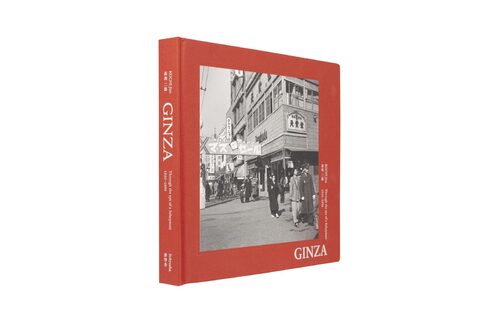
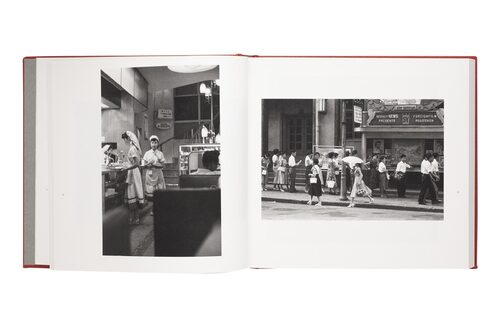

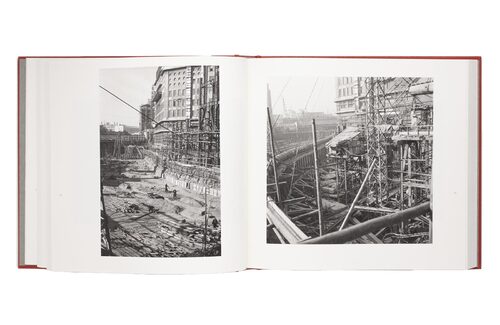
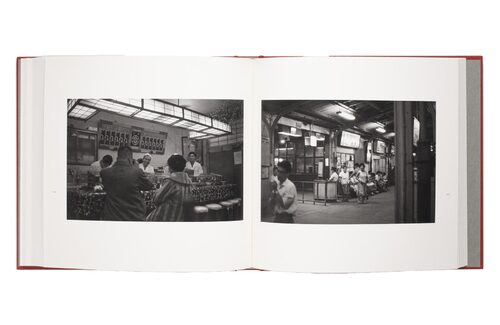
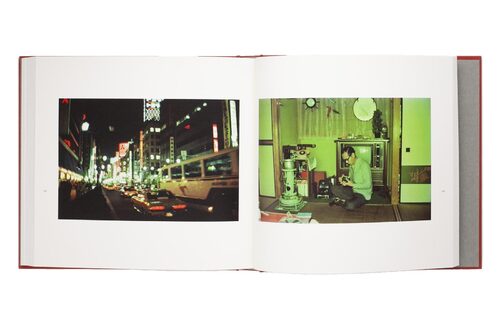
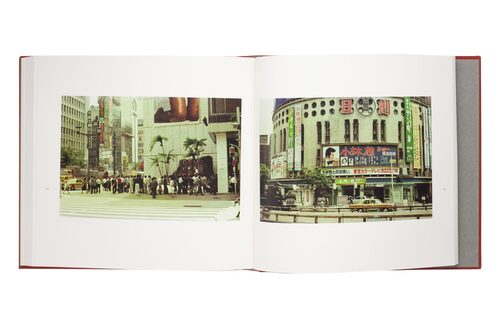
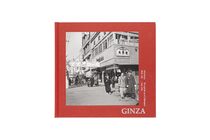
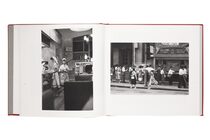
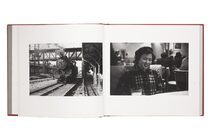
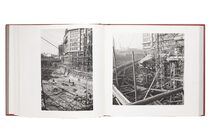
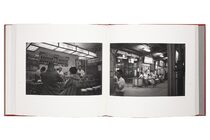
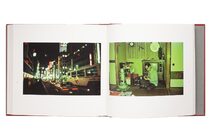
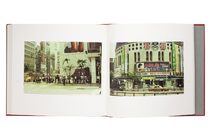
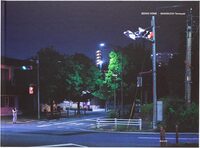
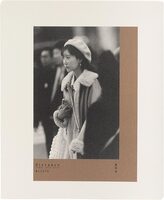
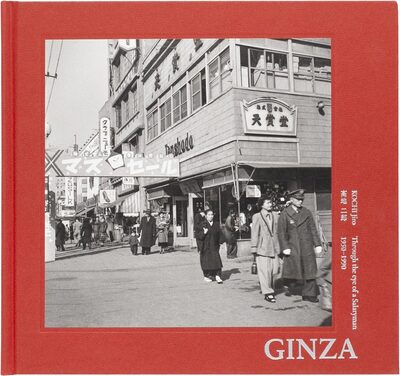
For more than 40 years until his retirement in 1990, Jiro Kochi worked at Tenshodo, a Ginza-based business producing and selling watches, model trains, jewelry and other items. A photography enthusiast since his childhood, Kochi carried a camera (usually a Leica) with him on his way to work, photographing Ginza during his commute. After his death in 2010, his eldest daughter discovered the countless negatives and photographs Kochi had taken. In over 1400 images, Kochi had produced an invaluable record of Ginza during the Showa-era, from the postwar years through to the height of the Bubble. As a salaryman himself, Kochi captured Ginza’s streets, buildings, shops, workers and flaneurs from the eyes of a “native,” deeply familiar with every corner and situation.
“In the 1950s, [my father] commuted from Nakano, and later from Takanodai in Kodaira City, where he moved in the 1960s. The journey to Ginza would take nearly two hours. He would bring a camera to work every day and take pictures from train platforms, inside buildings, on rooftops—anywhere that caught his eyes. Notably, he capture many photos of Harumi Street in Ginza from the rooftop of Tenshodo.”
“Along with many nostalgic family photos, I discovered photographs of Ginza in the Showa era I had never seen before. As I scanned each image, I was transported back to the moment my father took the shot—as if I had stepped into a time machine.”
― from Haruko Kochi’s fore- and afterword
Editorial
Informació
- Hardcover
- 228 pages
- 218 x 207 mm
- Japanese, English
- Aug 2025