出版社
其他資訊
- Hardcover
- 240 pages
- 246 × 295 mm
- ISBN 9783819500145
- English
- Jul 2026
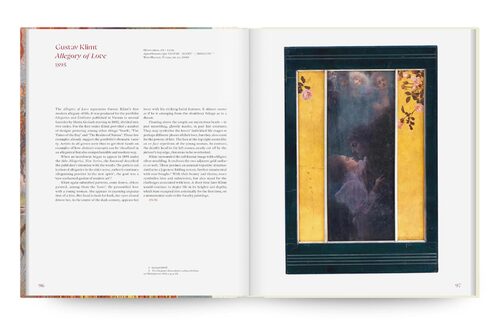
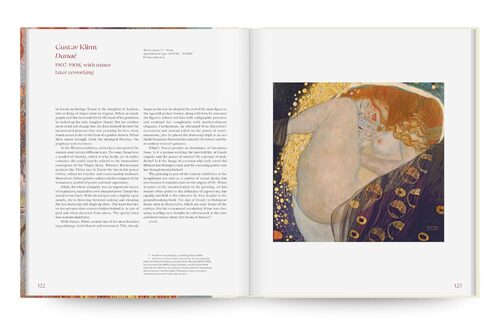
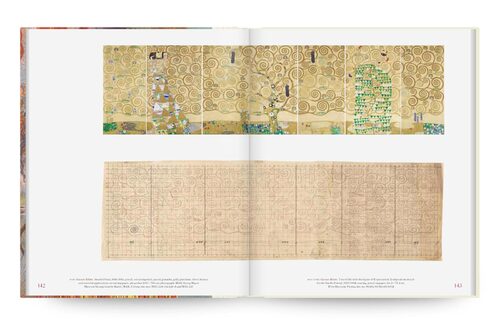
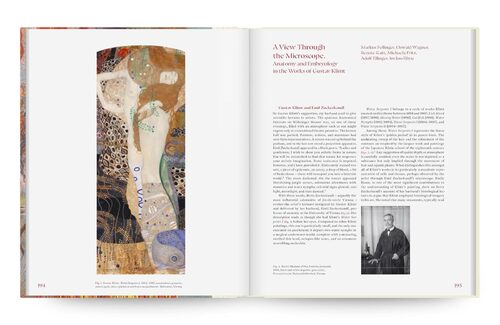
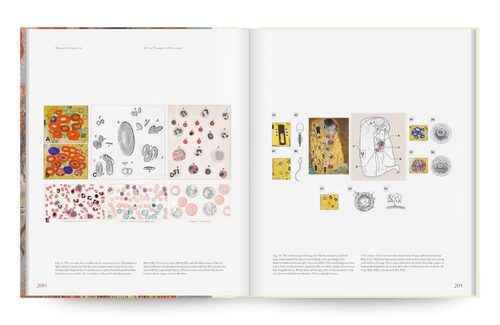
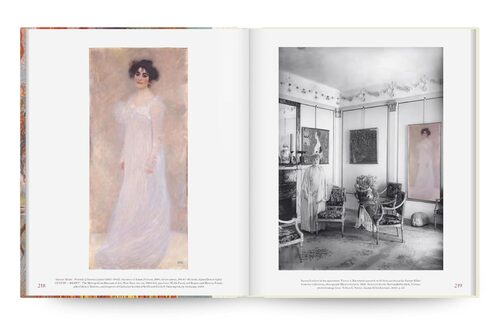
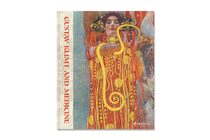
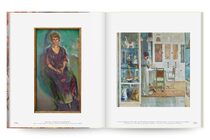
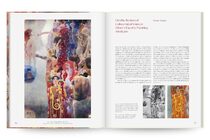
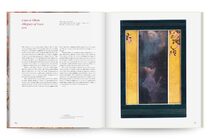
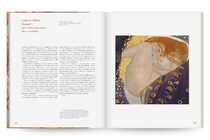
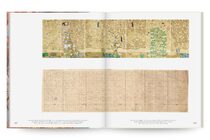
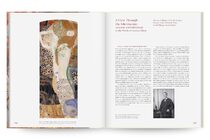
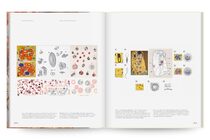
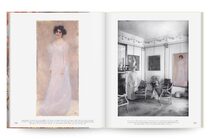
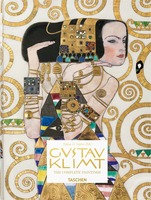
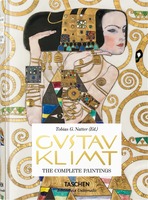
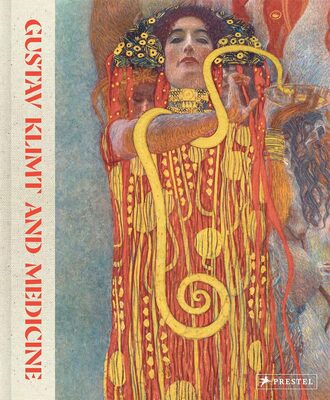
Taking Klimt’s monumental lost painting Medicine as its point of departure, this authoritative volume examines the vibrant relationship between art, medicine, and modern thought in Vienna around 1900.
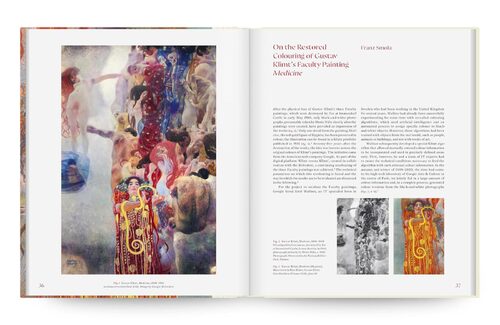
When Gustav Klimt unveiled Medicine in 1901, the work sparked outrage by challenging conventional ideas about science, progress, and the human condition, becoming one of the defining cultural controversies of its time. Withdrawn by the artist in 1905 and destroyed during the final days of World War II, Medicine remains one of the most fascinating lost masterpieces of modern art.
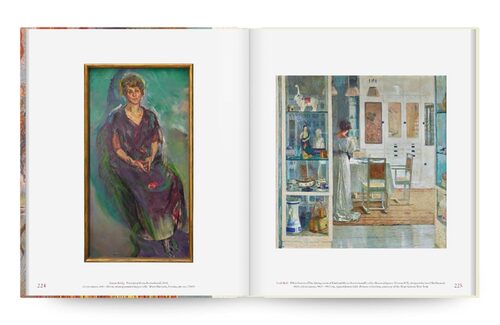
Through paintings, drawings, archival photographs, and restored imagery, this volume reconstructs the history, meaning, and legacy of the work while placing it within the intellectual ferment of fin-de-siècle Vienna.
Essays by leading scholars explore the connections between art, anatomy, psychology, philosophy, evolutionary theory, and modern medical science, revealing Klimt's engagement with the ideas reshaping his era, in particular microscopical cell examination, Darwinian concepts of human evolution, the philosophy of Schopenhauer and Nietzsche, and the discovery of the unconscious.
Reproductions of preparatory studies and related masterpieces highlight the themes of birth and death, sexuality, consciousness and transformation. The result is a compelling new perspective on Klimt’s lost masterpiece and its enduring relevance.
出版社
其他資訊
- Hardcover
- 240 pages
- 246 × 295 mm
- ISBN 9783819500145
- English
- Jul 2026